For organisations
Supervision for staff teams and managers
I provide staff, management and process supervision for organisations in both the public and private sectors. Supervision provides space to pause, reflect on work and develop both professional practice and collaboration.
How supervision can help
In many professions, people encounter others in difficult situations, make decisions under pressure and carry significant responsibility. Supervision provides a regular, structured setting in which to reflect on this work.
With the support of a psychologist from outside the organisation, a team or manager can:
- reflect on cases, interactions and difficult situations
- identify patterns within the team and in how people work together
- develop approaches and clarify their professional role
- share experiences and learn from one another
- manage workloads and emotionally demanding work in a sustainable way
Supervision is not therapy. The focus is on professional work and how individuals and teams manage its demands.
Formats
Three types of supervision
Staff supervision
For teams and professionals whose work involves supporting others. Supervision often draws on specific cases, everyday situations and questions raised by the team itself.
Management supervision
For managers and leaders who want a dedicated space to reflect on leadership, decisions, staffing matters and their role within the organisation.
Process supervision
When the focus is on the team itself: collaboration, communication, roles and the working environment. This can be valuable during change, conflict or when a team wants to develop together.
Qualifications
Professional background
An overview for those selecting a supervisor, for example under a procurement framework agreement.
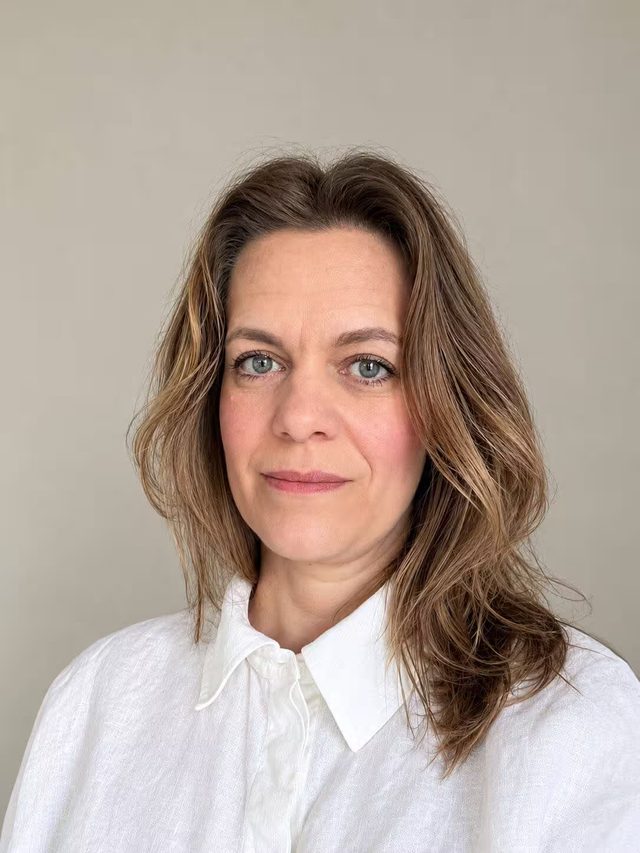
Edla Milton
Licensed psychologist
Professional title
Licensed psychologist
University education
Degree in Psychology, University of Gothenburg
Supervision training
Supervision training comprising 45 higher education credits at S:t Lukas in Gothenburg
Training in psychotherapy
Cognitive behavioural therapy (CBT), psychodynamic psychotherapy (PDT), dialectical behaviour therapy (DBT), interpersonal psychotherapy (IPT) and integrative behavioural couple therapy (IBCT)
Clinical experience
Many years of experience working with individuals and couples. Extensive experience in neurodevelopmental assessments and treatment for ADHD and autism, including assignments for child and adolescent psychiatry, adult psychiatry and child and adolescent habilitation services.
Clients
Organisations in the public and private sectors
Professional memberships
The Swedish Psychological Association and Psykologföretagarna
Arrangements and fees
How we agree on an arrangement
Enquiry
Get in touch with a brief description of your organisation, who will participate and what you hope to gain from supervision.
Initial discussion
We discuss your needs, expectations and practical arrangements, such as group size, how often you would like to meet and over what period.
Proposal and agreement
You receive a proposal outlining the suggested arrangement. The scope and format are tailored to your organisation’s needs.
Fee
By agreement
Contact me for a quotation.
Frequently asked questions about supervision
What types of organisations can engage you?
I work with organisations in both the public and private sectors. Get in touch and tell me about your organisation so we can discuss what is possible.
How often do sessions take place?
It varies. We agree on the frequency, duration of sessions and overall period of supervision based on the team’s needs and what is practical for your organisation.
How much does supervision cost?
Fees are quoted according to the arrangement and scope. Contact me and I will get back to you with a proposal.
Contact
Supervision enquiry
Please email a brief description of your organisation and what you are looking for, and I will get back to you to arrange an initial discussion.
Phone
Please describe briefly what your enquiry is about, but avoid sending detailed information about your health by email. We can talk about that when we meet.